07 Apr 2026
Calibration: What It Really Means
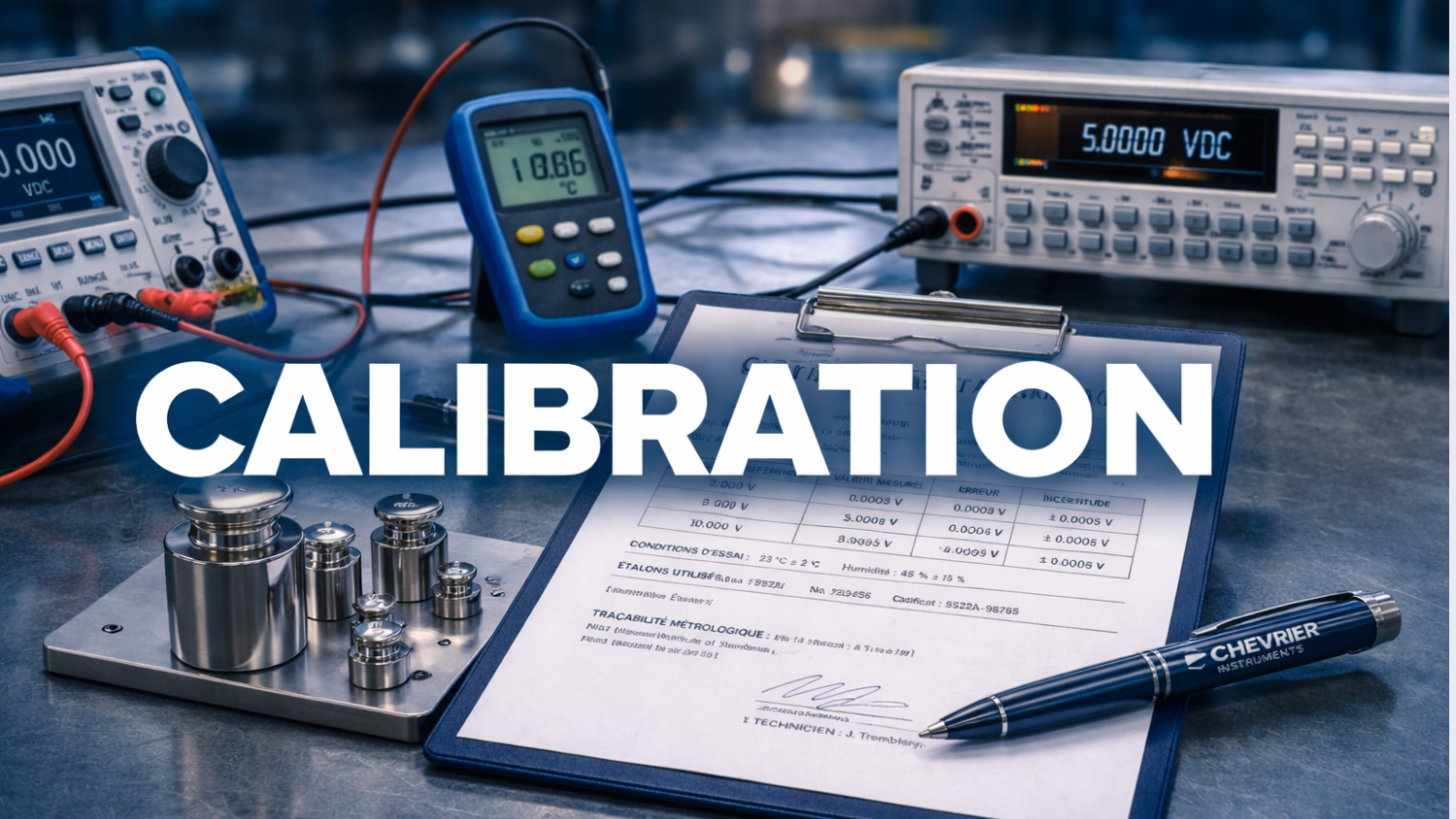
In the world of measurement, the term calibration is used everywhere, and in English, it’s the correct term. However, what’s often misunderstood is what calibration actually means, and just as importantly, what it does not mean.
What calibration really means
Calibration is not about fixing an instrument.
At its core, calibration is the process of comparing an instrument’s readings to known reference values. The goal is to determine how accurate the instrument is, quantify any deviation, and establish traceability to recognized standards.
It’s about understanding performance — not correcting it.
This distinction matters more than most people think. In practice, many assume that a calibrated instrument is automatically accurate or “good to go.” In reality, an instrument can be calibrated and still show measurable error. That’s not a failure, it’s exactly what calibration is meant to reveal.
Calibration vs adjustment vs verification
If corrections are required to bring the instrument back within tolerance, that’s a separate step.
- Calibration: measures and documents deviation
- Adjustment: modifies the instrument to reduce error
- Verification: confirms compliance with specified tolerances
Understanding these differences is essential for proper measurement management and quality control.
Why calibration is critical in your operations
Calibration plays a key role in ensuring measurement accuracy, product quality, and regulatory compliance.
In many industries — manufacturing, pharmaceuticals, energy, and food processing — inaccurate measurements can lead to:
- production errors
- non-compliance issues
- safety risks
- increased operational costs
A proper calibration program helps reduce these risks while improving reliability and consistency.
The importance of a calibration certificate
This is where the calibration certificate becomes essential.
A proper calibration certificate is not just a formality — it’s the documented evidence of the instrument’s performance at a given point in time.
It includes:
- measured values
- observed errors
- measurement uncertainty
- test conditions
- traceability of reference standards
This information allows you to make informed decisions about your equipment.
Without a calibration certificate, you’re relying on assumptions. With one, you have facts.
Traceability: the foundation of reliable measurements
Calibration is built on metrological traceability; the ability to link measurement results to recognized national or international standards.
This ensures consistency, reliability, and credibility of your data, especially in regulated environments or ISO-certified systems.
How often should instruments be calibrated?
There is no one-size-fits-all answer.
Calibration frequency depends on:
- how critical the measurement is
- environmental conditions
- instrument stability over time
- industry regulations or internal standards
Many organizations start with annual calibration intervals and adjust based on performance history.

Choosing the right calibration provider: what to look for
Not all calibration services deliver the same level of reliability. If your organization depends on accurate measurements, choosing the right calibration provider is just as important as calibrating the instrument itself.
First, look for a provider that can demonstrate traceability to recognized standards. This means their reference equipment is calibrated through an unbroken chain to national or international standards. Without traceability, calibration results may not be accepted during audits or by customers with strict quality requirements.
Second, verify whether the provider follows a recognized quality system, such as ISO/IEC 17025. This standard is widely used to evaluate laboratory competence and ensures that calibration methods, uncertainty calculations, and reporting practices are technically sound. Even when accreditation is not mandatory for your industry, working with a provider that follows these practices reduces risk and improves confidence in your measurement data.
Turnaround time is another key factor. Delays in calibration can lead to production downtime, missed deadlines, or the use of instruments past their due date. A reliable calibration partner should offer clear scheduling, predictable lead times, and support for urgent service when needed.
It is also important to review the quality of the calibration certificate itself. A useful certificate should be clear, complete, and easy to interpret. It should include measurement results, uncertainties, environmental conditions, and pass/fail statements when applicable. If the certificate only confirms that “calibration was performed” without detailed results, it may not provide enough evidence for quality audits or technical decisions.
This is where working with an experienced provider like Chevrier Instruments makes a difference. By offering professional calibration services backed by rigorous procedures and clear documentation, Chevrier Instruments helps ensure that your measurement equipment delivers reliable and traceable results — whether in a laboratory, on a production line, or in the field.
Finally, consider whether the provider understands your application. An instrument used in different environments may require specific calibration points, tolerances, and reporting formats. A knowledgeable partner will adapt the calibration process to your operational reality.
A critical part of ensuring measurement reliability
In short, calibration is not just a checkbox. The value comes from the quality of the data, the traceability behind it, and the confidence it gives your team to make the right decisions — and that’s exactly what a trusted partner like Chevrier Instruments aims to deliver.
Just remember; calibration is not just a task — it’s a critical part of ensuring measurement reliability.
An instrument isn’t “good” because it was calibrated.
It’s trustworthy because its performance is known — and documented.